Languages

global warming

English

Carbon dioxide level passes 400 ppm - global warming

Carbon dioxide passes symbolic mark - Noaa atmospheric lab - The measurements are made at a station on the Mauna Loa volcano The level of carbon dioxide in the atmosphere has risen above 400 parts per million for the first time in human history, US researchers say. The "Keeling Lab" in Hawaii has the longest continuous measurement of the greenhouse gas, which is a key driver of climate change. Thursday's measurement, made atop the Mauna Loa volcano, registered 400.03. The last time CO2 was regularly above 400ppm was about 3-5 million years ago - before modern humans existed. The climate back then was also considerably warmer than it is today, according to scientists. The usual trend seen at the volcano is for the CO2 concentration to rise in winter months and then to fall back as the northern hemisphere growing season kicks in and pulls some of the gas out of the atmosphere. This means the number can be expected to decline by a few ppm in the coming weeks. But the long-term trend is upwards. When the late Charles Keeling began recording CO2 concentrations at the volcano in 1958, they were around 315 ppm (parts per million by volume - that is 315 molecules of CO2 for every one million molecules in the air). Every year since then, the curve has squiggled resolutely higher.

Siberian permafrost thaw warning

Siberian permafrost thaw warning sparked by cave data

Siberian cave


The caves record changing conditions over hundreds of thousands of years


Evidence from Siberian caves suggests that a global temperature rise of 1.5C could see permafrost thaw over a large area of Siberia.

A study shows that more than a trillion tonnes of the greenhouse gases CO2 and methane could be released into the atmosphere as a result. An international team has published details in the journal Science. The evidence comes from analysis of stalactites and stalagmites in caves along the "permafrost frontier". This is where ground begins to be permanently frozen in layers that can be tens to hundreds of metres thick. Stalactites and stalagmites only grow when liquid rainwater and snowmelt drip into the caves. So these formations record 500,000 years of changing permafrost conditions - including warmer periods similar to the climate of today.

Cave


Thawing of permafrost would have huge implications for ecosystems, says the team

Reptiles are going extinct

World's reptiles at risk of extinction

 
A mountain horned agama lizard
 
Many lizards are under threat, including the mountain horned agama of Sri Lanka
 

Almost a fifth of the world's reptile species are at risk of extinction, according to scientists.

Research led by the Zoological Society of London found that the future of 19% of the world's reptiles are threatened.

Conservation experts also confirmed that 47% are vulnerable and highlighted the possible extinction of three species.

The figures are based on a random sample of 1,500 of the world's reptile species.

"It's essentially an election poll set up - using this sample to give an example of how reptiles are doing as a whole," explained Dr Monika Bohm, lead author of the study published in the journal Biological Conservation.

The study was made in conjunction with 200 experts from the International Union for the Conservation of Nature's Species Survival Commission.


Lava lizard basks on the head of a marine iguana

Soot has large role in climate change

Climate change: Soot's role underestimated

 
wood fire
 
The burning of wood is a major source of black carbon the world over.
 

Black carbon, or soot, is making a much larger contribution to global warming than previously recognised, according to research.

Scientists say that particles from diesel engines and wood burning could be

having twice as much warming effect as assessed in past estimates.

They say it ranks second only to carbon dioxide as the most important

climate-warming agent.

The research is in the Journal of Geophysical Research-Atmospheres.

Black carbon aerosols have been known to warm the atmosphere for many years

by absorbing sunlight. They also speed the melting of ice and snow.

This new study concludes the dark particles are having a warming effect

approximately two thirds that of carbon dioxide, and greater than methane.


"The large conclusion is that forcing due to black

carbon in the atmosphere is larger," lead author Sarah Doherty told BBC News.

"The value the IPCC gave in their 4th assessment report in 2007 is half of

what we are presenting in this report - it's a little bit shocking,"

The researchers say black carbon emissions in Europe and North America have

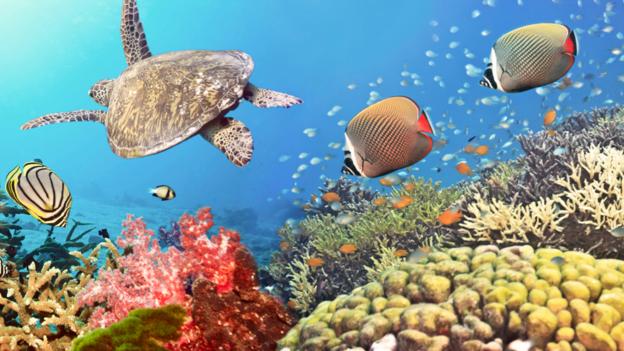
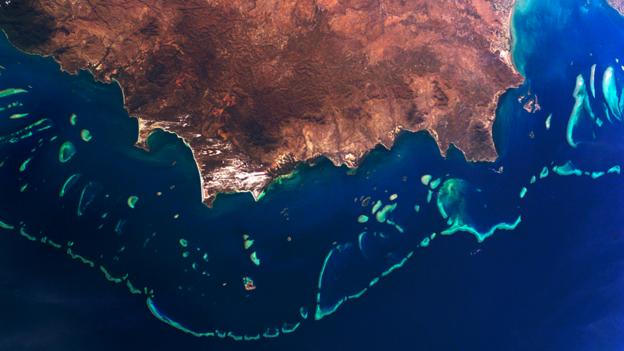
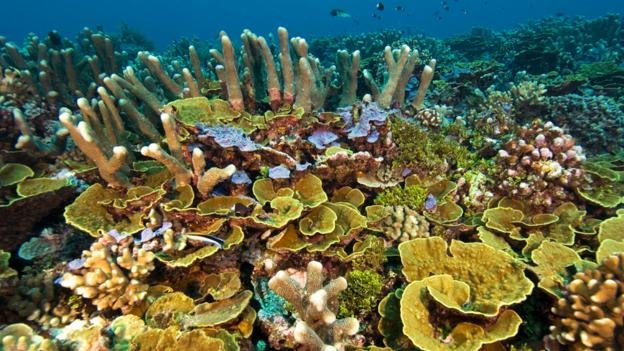
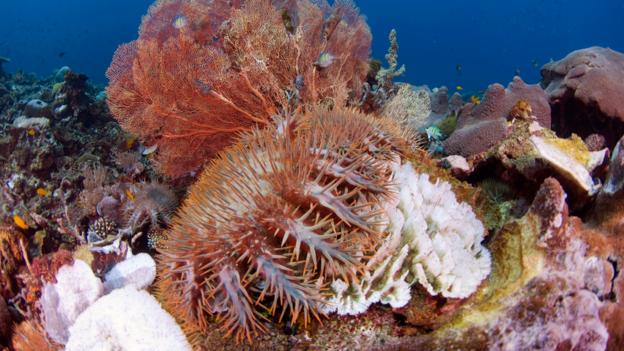
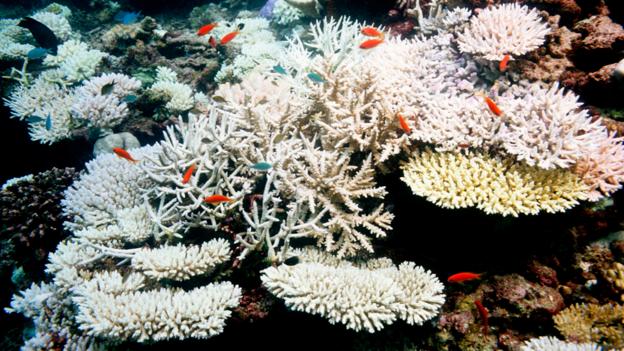
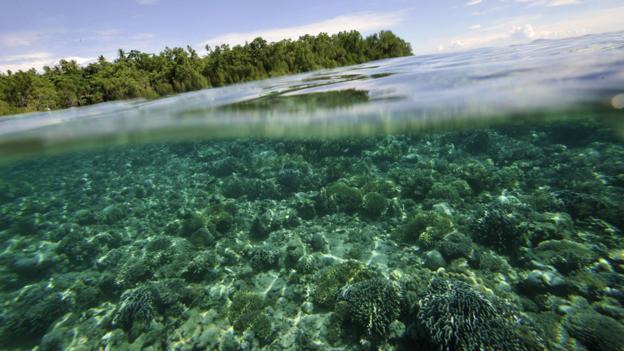
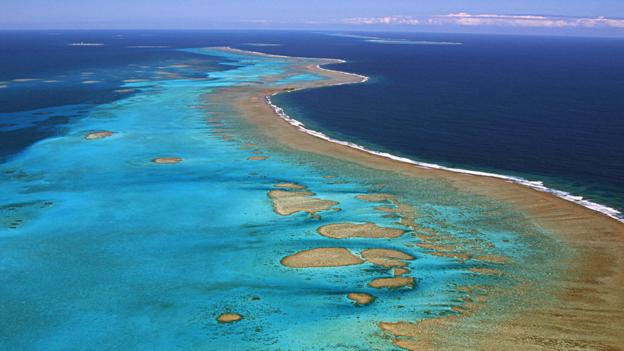
Endangered Coral Reefs in steep decline

Are we losing all of our coral reefs?


West Antarctic Ice Sheet warming - Antarctica

West Antarctic Ice Sheet warming twice earlier estimate


Byrd station data


The data from Byrd Station shows rapid warming on the west Antarctic ice sheet.

A new analysis of temperature records indicates that the

Greenhouse gases hit record high - 2011

Monitoring station in Hawaii
 
The WMO and Noaa operate monitoring stations around the world
 

Greenhouse gases in the atmosphere hit a new record high in 2011, the World Meteorological Organization has said.

Carbon cuts too slow to stop global warming

Doha
 
The report is meant to inform climate negotiators who will gather in the Qatari capital next week

A report by the UN says global attempts to curb emissions of CO2 are falling well short of what is needed to

stem dangerous climate change. The UN's Environment Programme says greenhouse gases are 14% above where they need to be in 2020 for temperature rises this century to remain below 2C. The authors say this target is still technically achievable. But the opportunity is likely to be lost without swift action by governments, they argue. Negotiators will meet in Doha, Qatar for the UN Climate Change Conference (COP18) next week to resume talks aimed at securing a global deal on climate by 2015.


“The report provides a sobering assessment of the gulf

  between ambition and reality.”  Achim Steiner Unep Executive Director  

The Emissions Gap Report 2012 has been compiled by 55 scientists from 20 countries. It says

Proof of Climate Change Global Warming in Europe

Flooded properties as the River Tiber, Rome, breaches its banks (Getty Images)
 
The cost of damage from extreme weather events is projected to increase in the future.
 

The effects of climate change are already evident in Europe and the situation is set to get worse, the European

Environment Agency has warned.

In a report, the agency says the past decade in Europe has been the warmest on record.

It adds that the cost of damage caused by extreme weather events is rising,

and the continent is set to become more vulnerable in the future.

The findings have been published ahead of next week's UN climate conference.

They join a UN Environment Programme report also released on Wednesday showing

dangerous growth in the "emissions gap" - the difference between current carbon

emission levels and those needed to avert climate change.

"Every indicator we have in terms of giving us an early warning of climate

change and increasing vulnerability is giving us a very strong signal," observed

EEA executive director Jacqueline McGlade.

"It is across the board, it is not just global temperatures," she told BBC News.

"It is in human health aspects, in forests, sea levels, agriculture,

biodiversity - the signals are coming in from right across the environment."

Earth: Will the age of man be written in stone?

There have been a few times in the history of mankind when we nearly died out as a species. Anthropologists call these events “bottlenecks”, times when the population of humans shrank – perhaps to as few as 2,000 people over 50,000 years ago. At those levels, we would be categorised as an endangered species on the IUCN Red List, existing in even fewer numbers than wild tigers do today. We survived, and in fact we’ve thrived, mainly because we adapted our environment to suit our needs. But to what degree has the survival and triumph of our species changed our planet? The best people to answer this could well be those who have the grandest perspective. Geologists can take a 4.5-billion-year step back and look at the human impact on our planet in the context of its long history – they can identify changes in the rock record within layers of deposited sediments that build up and are compressed over time. There have been plenty of dramatic changes to our planet in the past: this spinning lump of rock has flipped from a “Snowball” Earth to searing temperatures devoid of ice; there have been times when life has flourished, and times when it has been beset by mass extinctions. Big changes in planetary states show up in the rock record as stripes that reveal the sudden disappearance or appearance of certain fossil species, or climatic changes that reveal changes in past sea level.

Pages