Languages

ice melt

English

Three years left to limit warming to 1.5C, leading scientists warn - 2025

The Earth could be doomed to breach the symbolic 1.5C warming limit in as little as three years at current levels of carbon dioxide emissions.

That's the stark warning from more than 60 of the world's leading climate scientists in the most up-to-date assessment of the state of global warming.

Nearly 200 countries agreed to try to limit global temperature rises to 1.5C above levels of the late 1800s in a landmark agreement in 2015, with the aim of avoiding some of the worst impacts of climate change.

But countries have continued to burn record amounts of coal, oil and gas and chop down carbon-rich forests - leaving that international goal in peril.

Climate change has already worsened many weather extremes - such as the UK's 40C heat in July 2022 - and has rapidly raised global sea levels, threatening coastal communities.

"Things are all moving in the wrong direction," said lead author Prof Piers Forster, director of the Priestley Centre for Climate Futures at the University of Leeds.

"We're seeing some unprecedented changes and we're also seeing the heating of the Earth and sea-level rise accelerating as well."

These changes "have been predicted for some time and we can directly place them back to the very high level of emissions", he added.

Global Ice Melt to Destroy World's Coastlines - 2025

The world’s ice sheets just got a dire prognosis, and coastlines are going to pay the price

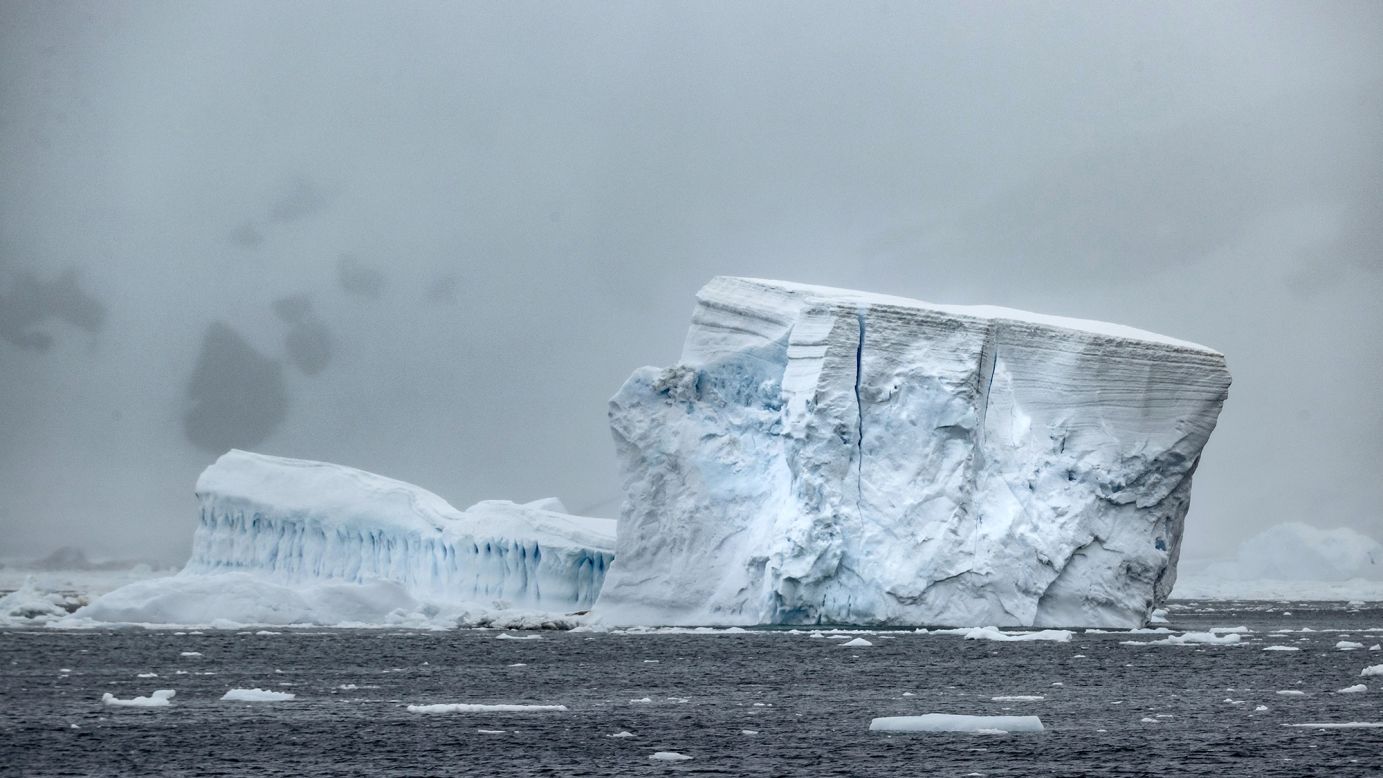
Glaciers in Antarctica on February 7, 2022. A new study suggests even if the world meets its climate targets it may not be enough to save the planet's ice sheets.

Glaciers in Antarctica on February 7, 2022. A new study suggests even if the world meets its climate targets it may not be enough to save the planet's ice sheets. 

The world’s ice sheets are on course for runaway melting, leading to multiple feet of sea level rise and “catastrophic” migration away from coastlines, even if the world pulls off the miraculous and keeps global warming to within 1.5 degrees Celsius, according to new research.

A group of international scientists set out to establish what a “safe limit” of warming would be for the survival of the Greenland and Antarctic ice sheets. They pored over studies that took data from satellites, climate models and evidence from the past, from things like ice cores, deep-sea sediments and even octopus DNA.

2023 - Accelerating melt of ice sheets now unmistakable.

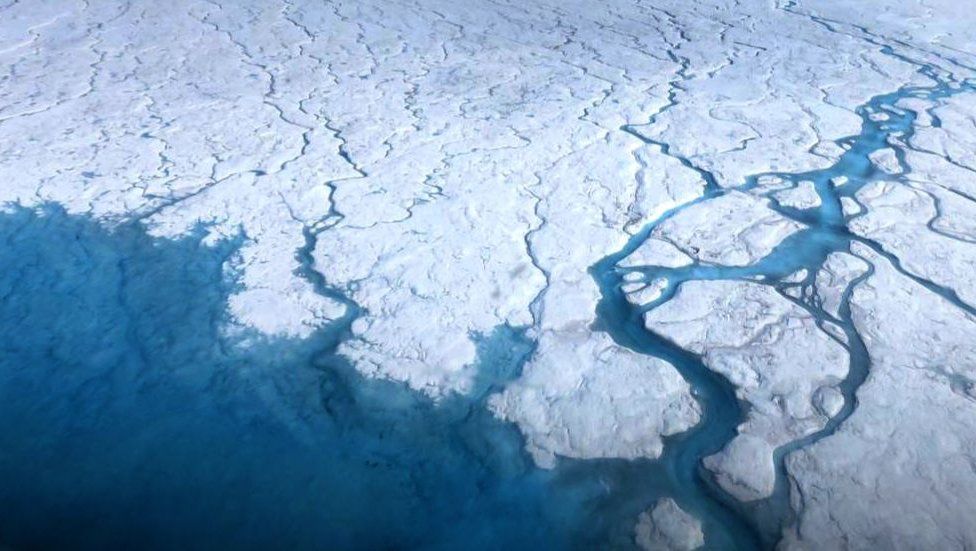
Greenland Ice Sheet

Warmer air is melting the top of the Greenland Ice Sheet

If you could shape an ice cube out of all the ice losses from Greenland and Antarctica over the past three decades, it would stand 20km high.

An international group of scientists who work with satellite data say the acceleration in the melting of Earth's ice sheets is now unmistakable.

They calculate the planet's frozen poles lost 7,560 billion tonnes in mass between 1992 and 2022.

Seven of the worst melting years have occurred in the past decade.

Mass loss from Greenland and Antarctica is now responsible for a quarter of all sea-level rise.

This contribution is five times what it was 30 years ago.

The latest assessment comes from the Ice Sheet Mass Balance Intercomparison Exercise, or Imbie.

2013 warmest year

2013 warmest on record


2013 estimate of 2100 sea level rise due to melting ice

Antarctica-ice-thickness-2013

'Best estimate' for impact of melting ice on sea level rise

Researchers say they now have the most accurate estimate yet for the impact of the melting of ice sheets.

Researchers have published their most advanced calculation for the likely impact of melting ice on global sea levels.

The EU funded team say the ice sheets and glaciers could add 36.8 centimetres to the oceans by 2100.

Adding in other factors, sea levels could rise by up to 69 centimetres, higher than previous predictions.

The researchers say there is a very small chance that the seas around Britain could rise by a meter.

“The previous IPCC identified this gap in our knowledge, we've addressed that gap and what we've found is not scary” Prof Tony Payne, University of Bristol

The last Intergovernmental Panel on Climate Change (IPCC) report was highly detailed about many aspects of Earth's changing climate in the coming decades,

Advanced models

While they estimated that sea levels could rise by 18-59 centimetres by 2100, they were very unsure about the role played by the melting of ice sheets and mountain glaciers.

To fill the void, the EU funded experts from 24 institutions in Europe and beyond to try and come up with more accurate figures on the melting of ice sheets and glaciers in Antarctica and Greenland and how this might swell the oceans.

Email Addresses