Languages

warming

English

Three years left to limit warming to 1.5C, leading scientists warn - 2025

The Earth could be doomed to breach the symbolic 1.5C warming limit in as little as three years at current levels of carbon dioxide emissions.

That's the stark warning from more than 60 of the world's leading climate scientists in the most up-to-date assessment of the state of global warming.

Nearly 200 countries agreed to try to limit global temperature rises to 1.5C above levels of the late 1800s in a landmark agreement in 2015, with the aim of avoiding some of the worst impacts of climate change.

But countries have continued to burn record amounts of coal, oil and gas and chop down carbon-rich forests - leaving that international goal in peril.

Climate change has already worsened many weather extremes - such as the UK's 40C heat in July 2022 - and has rapidly raised global sea levels, threatening coastal communities.

"Things are all moving in the wrong direction," said lead author Prof Piers Forster, director of the Priestley Centre for Climate Futures at the University of Leeds.

"We're seeing some unprecedented changes and we're also seeing the heating of the Earth and sea-level rise accelerating as well."

These changes "have been predicted for some time and we can directly place them back to the very high level of emissions", he added.

Global Ice Melt to Destroy World's Coastlines - 2025

The world’s ice sheets just got a dire prognosis, and coastlines are going to pay the price

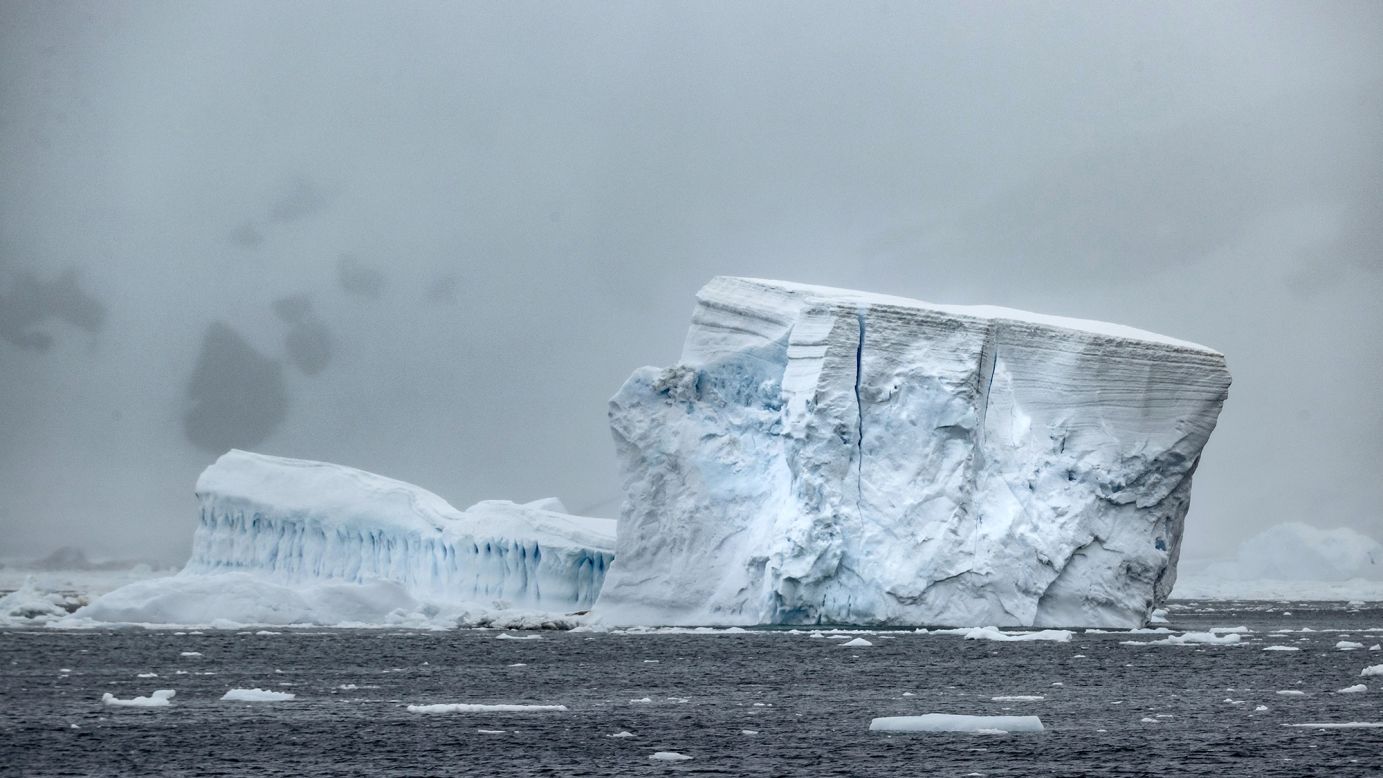
Glaciers in Antarctica on February 7, 2022. A new study suggests even if the world meets its climate targets it may not be enough to save the planet's ice sheets.

Glaciers in Antarctica on February 7, 2022. A new study suggests even if the world meets its climate targets it may not be enough to save the planet's ice sheets. 

The world’s ice sheets are on course for runaway melting, leading to multiple feet of sea level rise and “catastrophic” migration away from coastlines, even if the world pulls off the miraculous and keeps global warming to within 1.5 degrees Celsius, according to new research.

A group of international scientists set out to establish what a “safe limit” of warming would be for the survival of the Greenland and Antarctic ice sheets. They pored over studies that took data from satellites, climate models and evidence from the past, from things like ice cores, deep-sea sediments and even octopus DNA.

US Reverses Course under Trump and other Countries follow suit, threatening the Planet - 2025

How Trump's 'drill, baby, drill' pledge is affecting other countries

Getty Images US President Donald Trump points after speaking during the Unleashing American Energy event at the Department of Energy in Washington DC, US

Trump has said the US's oil and gas will be sold all over the world

The UN climate summit in the United Arab Emirates in 2023 ended with a call to "transition away from fossil fuels". It was applauded as a historic milestone in global climate action.

January 2025 is 1.75 degrees higher than historical record

Record January 2025 warmth puzzles climate scientists

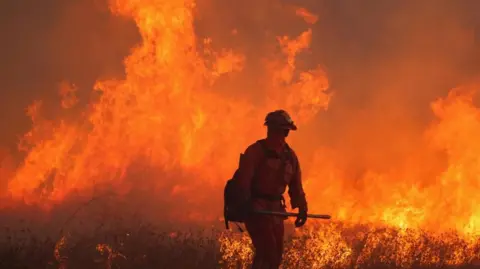
Reuters Firefighter dressed in full protective clothing, including mask and helmet, with large flames covering the area behind him.

Last month's Los Angeles fires were one of the costliest disasters in US history

Last month was the world's warmest January on record raising further questions about the pace of climate change, scientists say.

January 2025 had been expected to be slightly cooler than January 2024 because of a shift away from a natural weather pattern in the Pacific known as El Niño.

30 % + of Species could go Extinct with 4° of Warming

How many species could go extinct from climate change? It depends on how hot it gets.


Two Kea birds, Arthurs Pass South Island New Zealand. The species is listed as threatened in that country and climate change is among the reasons their numbers are in danger.

Two Kea birds, Arthurs Pass South Island New Zealand. The species is listed as threatened in that country and climate change is among the reasons their numbers are in danger.


To consider how climate change could cause some extinctions, imagine a tiny mountain bird that eats the berries of a particular mountain tree.

That tree can only grow at a specific elevation around the mountain, where it's evolved over millennia to thrive in that microclimate. As global temperatures rise, both the tree and the bird will be forced to rise too, tracking their microclimate as it moves uphill. But they can only go so far.

Climate change: Satellite maps warming impact on global glaciers - 2023

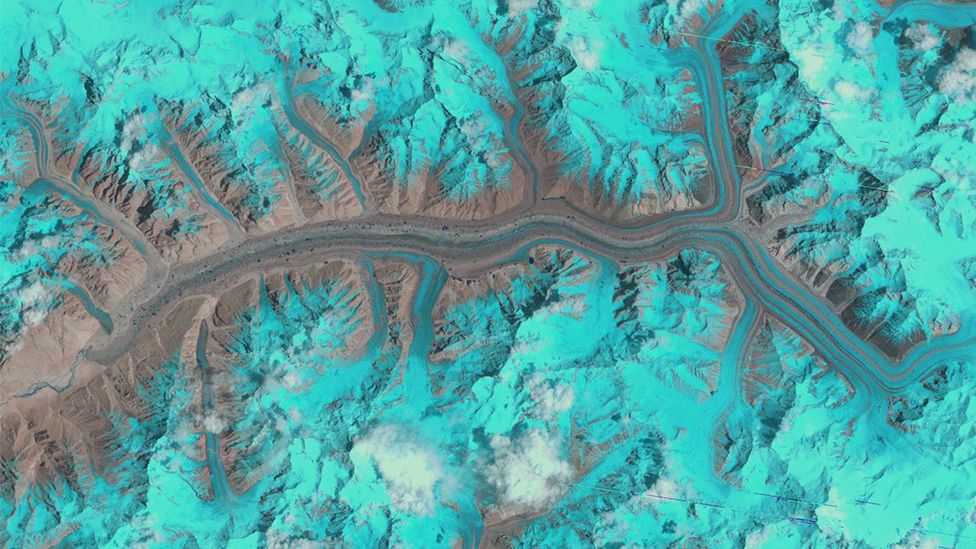
Baltoro

Glaciers are not easy targets for any type of satellite to measure mass loss over time


Scientists have obtained their best satellite assessment yet of the status of the world's glaciers.

Europe's Cryosat satellite tracked the 200,000 or so glaciers on Earth and found they have lost 2,720bn tonnes of ice in 10 years due to climate change.

That's equivalent to losing 2% of their bulk in a decade.

Monitoring how quickly glaciers are changing is important because millions of people rely on them for water and farming.

Climate Roadmap - 2023

Today, In 2023, Humanity is facing a catastrophic human-induced climate crisis which seriously threatens our very survival. 

Fundamentally, Humanity is faced with this climate crisis for a few principal reasons, which are important to understand in order to advocate the best solutions.


  1. Pollution (including that of overpopulated species, which can be seen from the point of view of Earth as a form of toxic pollution) does not recognize national boundaries and borders while Earth is subdivided politically into self-regulating nation-states, which regulate, or fail to regulate, pollution and population for their own people and territories.


METHANE - the most potent Greenhouse Warming Gas

Methane accounts for more than one-quarter of the anthropogenic radiative imbalance since the pre-industrial age. Its largest sources include both natural and human-mediated pathways: wetlands, fossil fuels (oil/gas and coal), agriculture (livestock and rice cultivation), landfills, and fires. The dominant loss of methane is through oxidation in the atmosphere via the hydroxyl radical (OH). Apart from its radiative effects, methane impacts background tropospheric ozone levels, the oxidative capacity of the atmosphere, and stratospheric water vapor. As such, changes in the abundance of atmospheric methane can have profound impacts on the future state of our climate.


Population and Consumption must decrease for livable future

Obese boy doing exercise

Consumption levels are now high  


enough in some developing countries as to become a concern


Over-consumption in rich countries

and rapid population growth in the poorest both need to be tackled to put

society on a sustainable path, a report says.

An expert group convened by the Royal Society spent nearly two years reading evidence and writing their

report.

Firm recommendations include giving all women access to family planning,

moving beyond GDP as the yardstick of economic health and reducing food

waste.

The report will feed into preparations for the Rio+20 summit in June.

"This is an absolutely critical period for people and the planet, with

profound changes for human health and wellbeing and the natural environment,"

said Sir John Sulston, the report's chairman.

"Where we go is down to human volition - it's not pre-ordained, it's not the

act of anything outside humanity, it's in our hands."

International Energy Agency Plea over Climate Warming much more than predicted.

Gas-fired power station
 
Carbon capture is described as "woefully off pace" in the report
 
Email Addresses