Languages

endangered species

English

Biodiversity: What is a mass extinction and are we causing one?


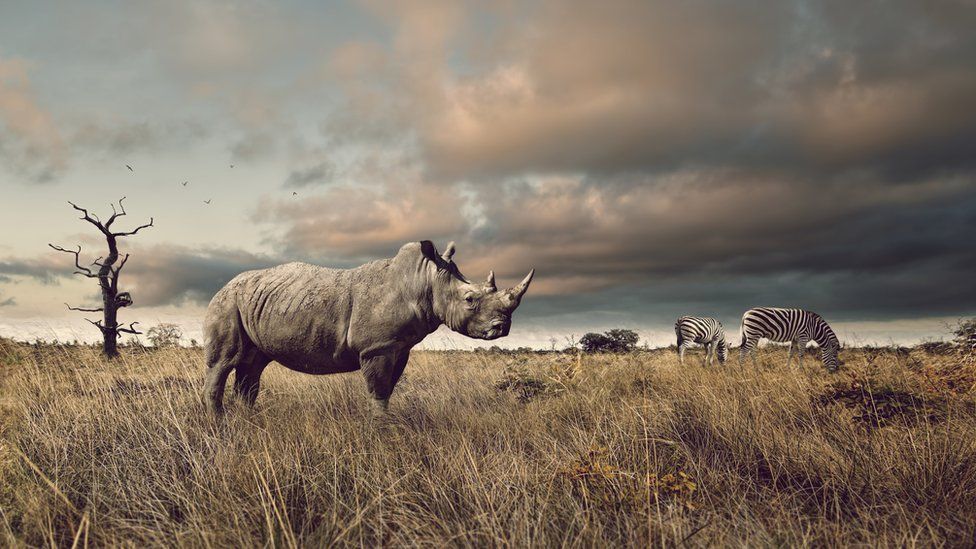
Rhino and zebras standing in a field


Five times in our planet's history, adverse conditions have extinguished most of life.

Now, scientists say, life on Earth could be in trouble again, with some even saying we could be entering a sixth mass extinction.

No credible scientist disputes that we are in a crisis regarding the speed at which nature is being destroyed.

But could we really be on track to lose most life on Earth?

Human-caused climate change, changes in land use and pollution are rapidly transforming the planet, making it harder for species to adapt and survive.

Biodiversity: 'Magical marine species' pushed toward extinction


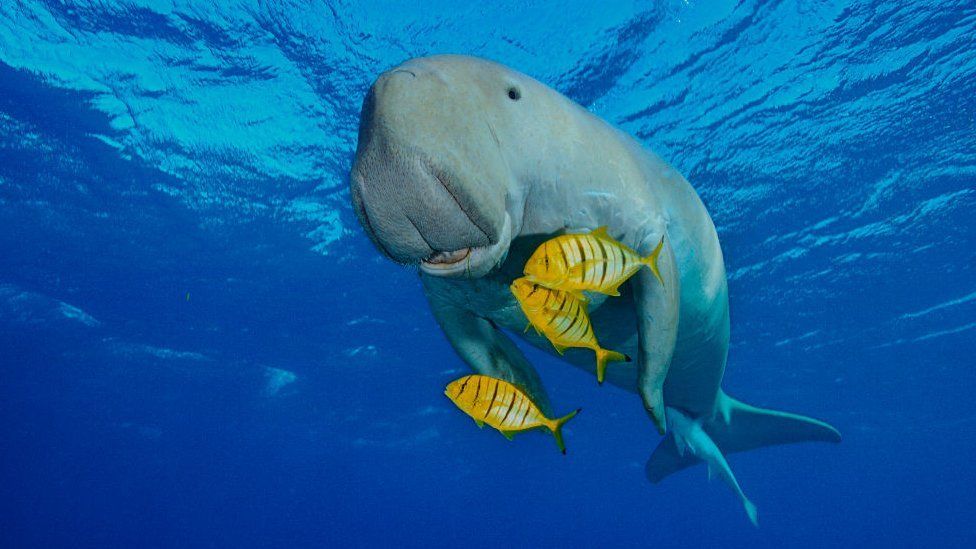
Dugong swimming
The dugong is said to have inspired ancient legends of mermaids


A "sea cow" that evoked tales of mermaids is being driven to the edge of extinction, conservation experts warn.

According to an update of the official extinction list, the dugong is almost wiped out in some parts of the world.

Scientists have also sounded alarm over the loss of other marine creatures, including exotic coral and shellfish.

There is No Future Unless We Stop Destroying the Natural World.

Reverse nature's decline or there is no future - UN

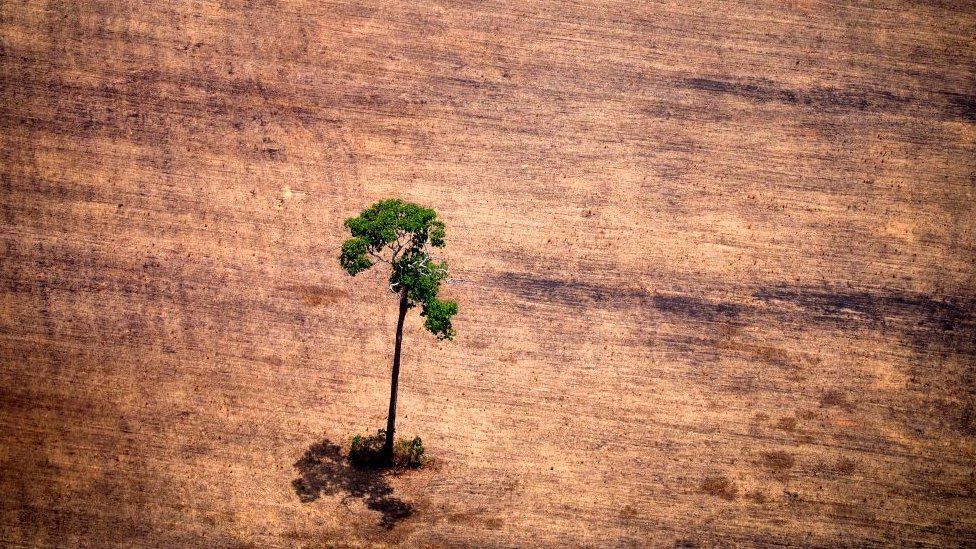
Tree felling in Brazil
Three-quarters of the Earth's surface has been altered by human activity


The United Nations' biodiversity chief says global talks under way in Montreal are the "last chance" to reverse the destruction of the natural world.

"Biodiversity is the foundation of life. Without it, there is no life," Elizabeth Maruma Mrema stated.

But she is worried about the amount of work still needed for the 196 countries to reach an agreement.

South Georgia prepares to cull its invasive reindeer and rats.

South Georgia prepares to cull its invasive reindeer

A reindeer greets three penguins on a South Georgia beach
 
Reindeer have caused great damage to the fragile South Georgian eco-system, trampling native plants and 

destroying birds' nests and penguin habitats.


The world's mostly southerly herd of reindeer is to be culled to try to save the environment of the island of South Georgia.

The 3,000 reindeer are trampling native plants, causing erosion and endangering king penguins and other local birds by destroying their nests and habitat.

A team of Sami herdsmen from Norway have arrived and are preparing to round up and kill the reindeer.

The operation is expected to take two southern hemisphere summers.

The reindeer is more commonly seen in the Arctic, but Norwegians in need of fresh meat while on whaling missions in Antarctica brought a small herd of 10 reindeer to South Georgia in 1911.

And it is Norwegians who have been tasked with getting rid of the invasive species. The Sami people live with reindeer and their expertise is being drawn on in the cull.

Reidar Andersen, director of the Norwegian Nature Inspectorate which oversees the team, told the Reuters news agency: "The reindeer have become very destructive."

Some Endangered Species

Here's a look at just a few of the world's most endangered species: greater horseshoe bat

Greater Horseshoe Bat

Rhinolophus ferrumequinum

IUCN Status: least concern

Population trend: decreasing

There are eighteen species of bat in Britain and all of them are endangered. The greater horseshoe bat is one of the rarest. One reason for their decline is the destruction of suitable roosting sites, such as old buildings and hollow trees. Changing land use from woodland and small fields to large scale agriculture has also had an effect. They have also suffered from the use of insecticides (poisonous chemicals sprayed on to crops to kill harmful insects) which have deprived the bats of their insect food. Due to conservation efforts its population in the UK has stabilized at about 5000.


siberian tiger Siberian (Amur) Tiger Panthera tigris ssp. altaica IUCN status: Endangered Population trend: stable

Pages