Languages

development

English

Nicaragua Bosawas Biosphere Reserve under threat from illegal logging

Bosawas-biosphere-reserve-nicaragua-rainforest-diversity-logging-development-threat
Saslaya-National Park Bosawas Bioshpere Reserve Nicaragua Map

Nicaragua cloud forest 'under siege' by illegal loggers.

Bosawas forest - the Bosawas Reserve is a critically important rainforest but native people say it is being destroyed by "colonists"

A famed rainforest in Nicaragua is under growing threat from illegal loggers, say indigenous leaders.

The Bosawas Biosphere Reserve is Central America's largest tropical forest with clouds constantly drifting over the hilly terrain.

But the Mayangna and Miskito people who live there say 30,000 hectares a year are being deforested by "colonists".

They are calling on US president Barack Obama, who is visiting the region, to support their battle.

Described by the United Nations as a global biological treasure, the reserve is located on the border between Nicaragua and Honduras and teems with wildlife.

“We believe that if there is no intervention there will be no Biosphere Reserve in five to 10 years” Taymond Robins, Mayangna people

The two million hectares are said to be home to 150,000 insect species, rare jaguars, eagles and crocodiles as well as the world's last populations of Baird's Tapir and the Central American Spider Monkey.

Landless invaders

The Bosawas reserve also overlaps the homes of indigenous communities who have been there for centuries, living by hunting and fishing.

The Nicaraguan government recognised the full legal title of the Mayangna to their lands in 2007.

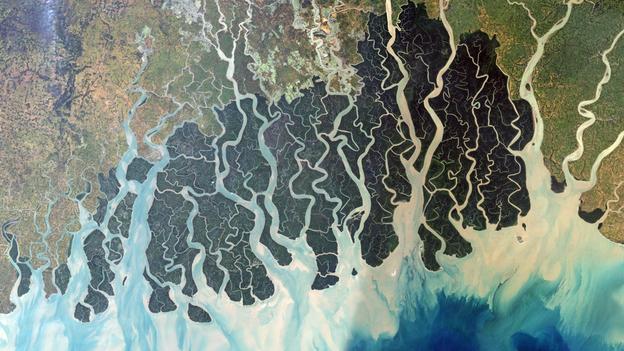
Sundarbans - largest mangrove forest in the world under threat from development

The Sundarbans – meaning “beautiful forest” in the local Bengali dialect - is the largest mangrove forest in the world, and it is under threat from development.

Stretching along the coastline of India and Bangladesh, this complex maze of mangrove trees and waterways mark the area where land meets the sea and freshwater meets seawater.

Wildllife thrive in this unique and delicately balanced ecosystem and it is home to large numbers of mammals, birds and fish. It is also one of the largest haunts of the endangered Royal Bengal tiger.

But the Sundarbans value extends beyond just providing a habitat for these magnificent animals; it also protects the densely populated Bay of Bengal from cyclones and the worst extremes of nature.

Yet, it is now, in 2013, threatened by man’s activities, including land reclamation, logging and shrimp farming. In fact, this vast tract of mud and tangles of roots is now being destroyed faster than almost any other ecosystem on Earth, removing this essential barrier and the rich habitat.

The Anthropocene - Humans Shaping the Planet

 
Construction site in Egypt      


At the Planet Under Pressure conference in London, Diana Liverman and Will Steffen present something of a contrasting couple.

The two professors have been working together on a State of the Planet

report, which has involved trawling through numerous reports and scientific

papers. At the end of it all, the message of one appears somewhat optimistic,

the other fundamentally pessimistic.

They agree that changes to the world since about 1950 have been startling -

rapid spread of the human population, accelerating exploitation of forests and

marine resources, surging economic growth in successive waves across the world,

and so on.

This radical reshaping of the natural world by a single species is certainly

unprecedented in Earth history, which a few years back led to scientists Paul

Crutzen and Eugene Stoermer coining a special name for our epoch - the Anthropocene.

If you accept the premise that we have entered the Anthropocene, one of the

over-arching questions is "what happens now?"; another is "can we get out of

it?"

Prof Liverman, who studies social aspects of global change at the University

of Arizona, has the task of assessing the societal trends that either indicate